




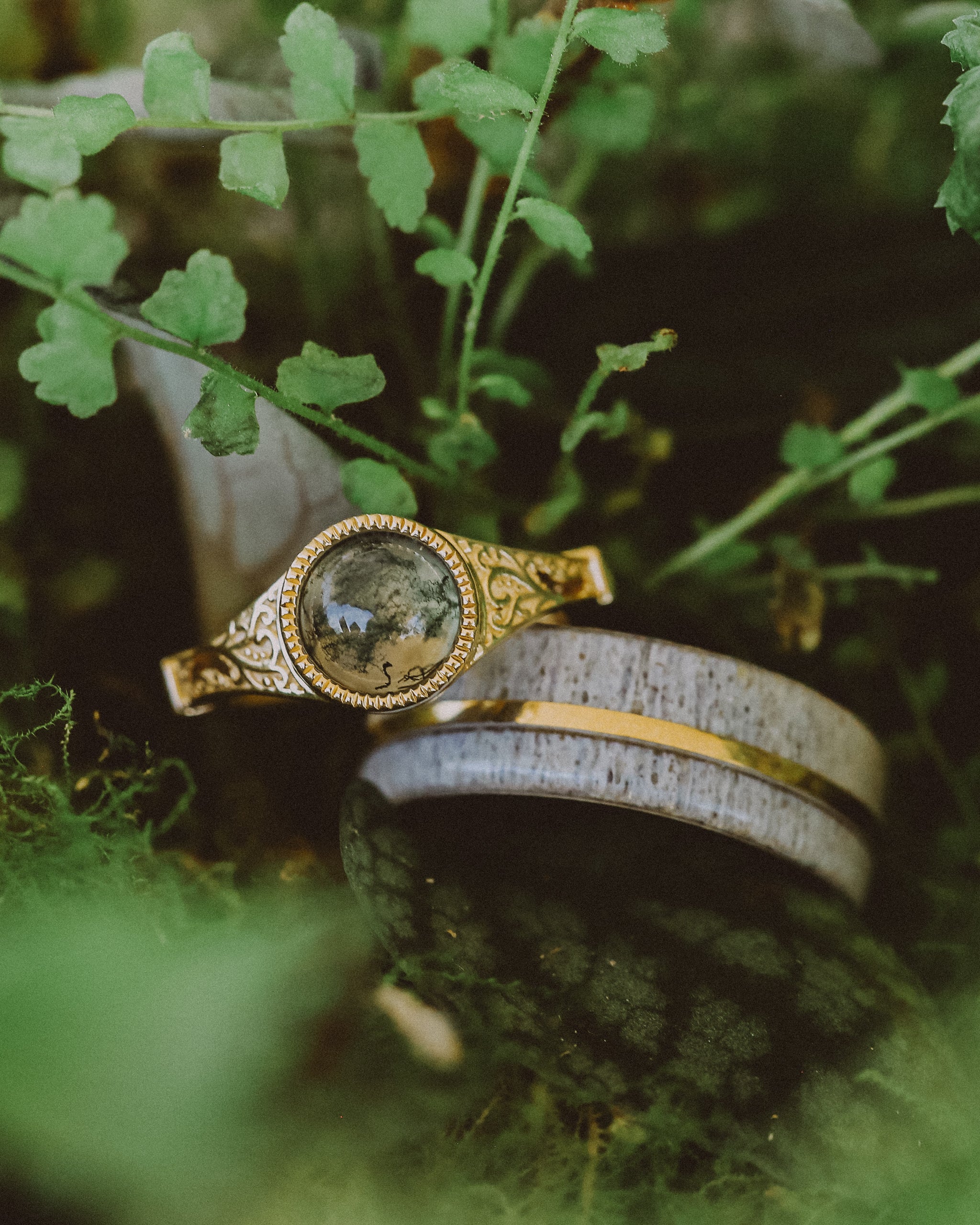


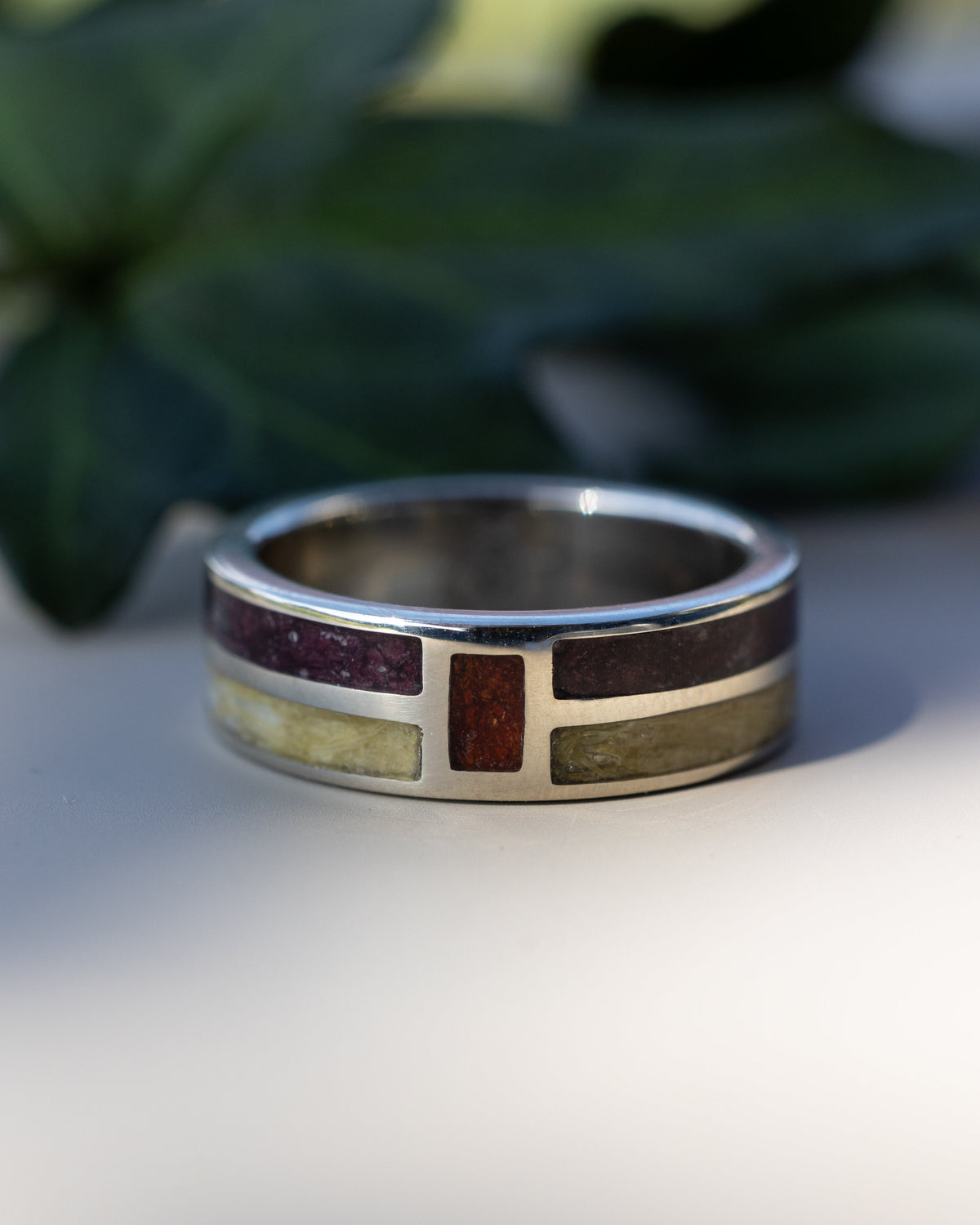


My husband lost his first ring because the sales person didn’t size his finger correctly. I liked how Staghead sent a sizing ring box so he could wear the ring for a couple of days before we decided on the size of the ring. After we returned the ring sizing box it only took a north of weeks for Staghead to create my husbands new ring. He loves the quality and feel of the ring and we were pleasantly surprised when they also sent a “work” ring to protect our investment. Thank you and the process was very easy!
My wife and I got the matching set of the Celtic Love Knot wedding bands. We both love the look of them and they fit great!
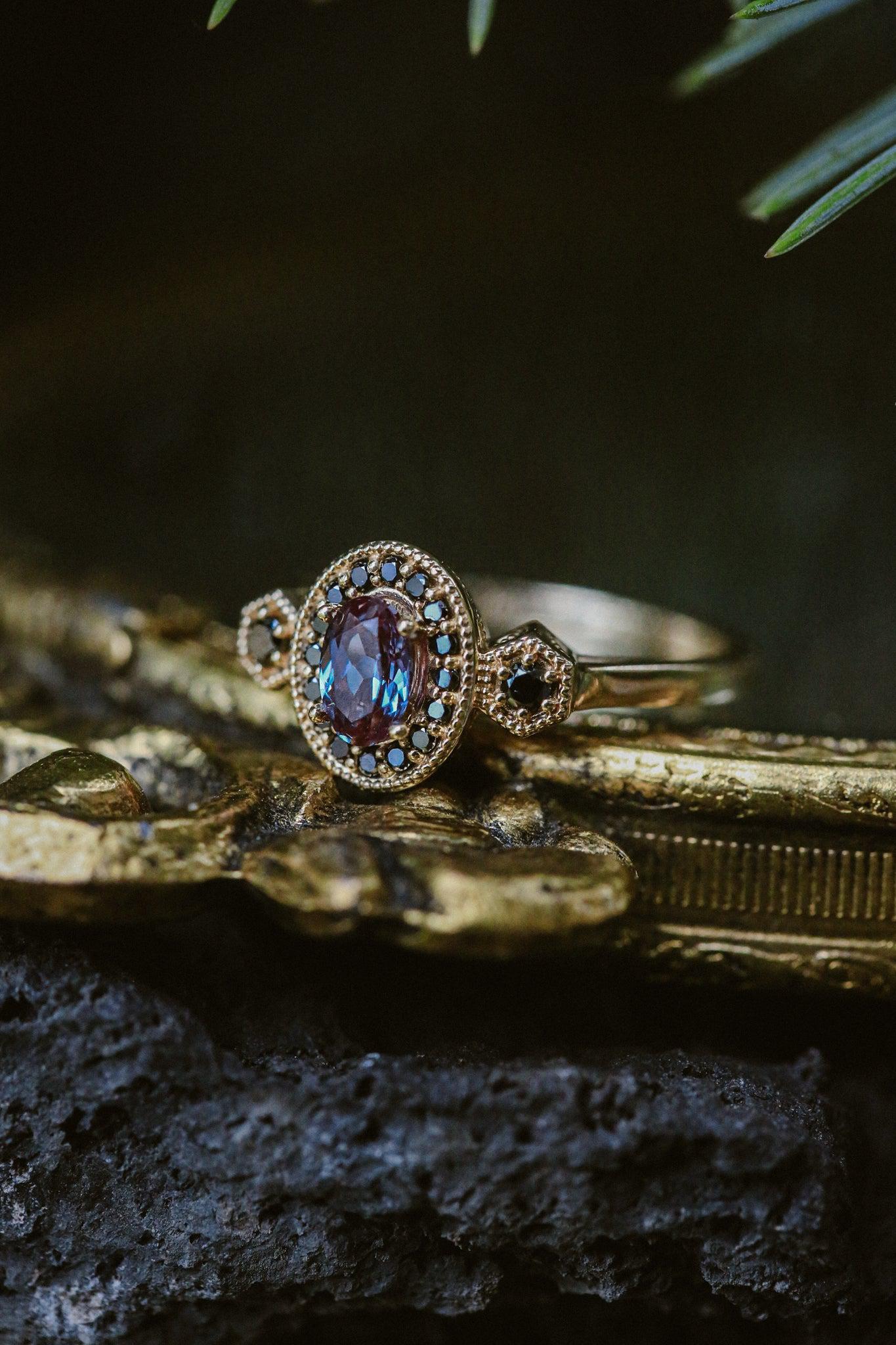
The ring is beautiful and I am sure my soon to be fiance will love it.
The rings we got are beautiful and actually looked better in person than online! I would highly recommend this company and we would buy from here again.
I designed a ring for my fiance and it turned out exactly how I wanted it. I will definitely be telling everyone to use Staghead Designs and I also will be getting one for myself!